With World Diabetes Day approaching, it’s a good time to re-evaluate diets. Foods labelled natural, organic, or sugar-free are often considered healthier choices for managing blood sugar. These labels make products seem like better options, especially for people wanting to eat well.
However, they don’t tell the full story. A natural product may still contain high amounts of sugar, while a sugar-free snack may have other ingredients affecting its nutritional value. Therefore, it is important to look beyond the label before deciding if it’s a healthy choice.
Does Natural Always Mean Healthy?
The term natural implies a product is healthier because its ingredients come from nature. However, natural or organic ingredients can still contain high amounts of sugar, fat, or calories, which directly impact blood glucose.
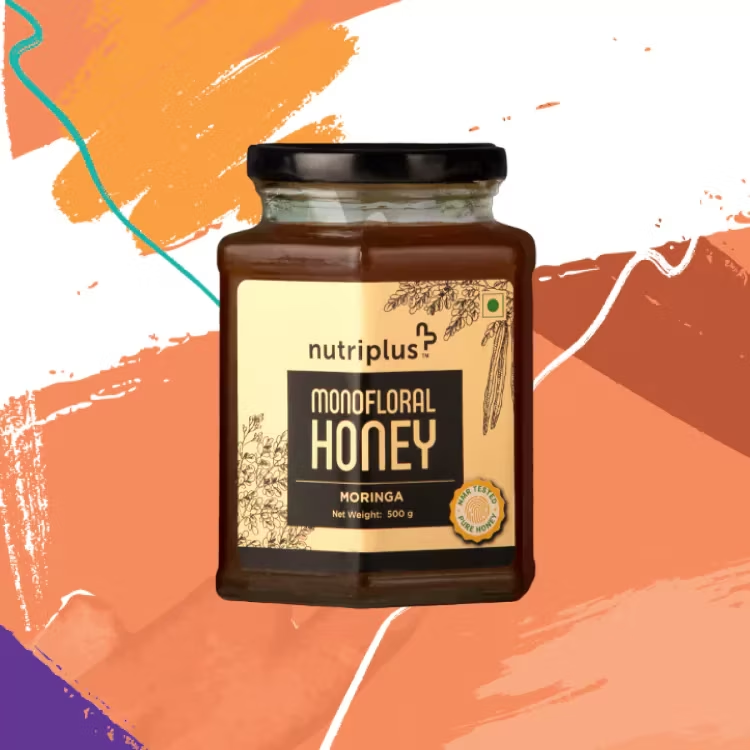
Honey, for example, is a natural sweetener but remains a source of free sugars. The same applies to maple syrup and fruit juice concentrates. According to the World Health Organisation (WHO), free sugars should account for less than 10% of total daily energy intake. Reducing this to below 5% may provide additional health benefits.
Therefore, replacing regular sugar with a natural sweetener does not necessarily reduce overall sugar consumption. The quantity used and its place in the overall diet are equally important.
Are Sugar-Free Products Always Better?
Sugar-free products can offer an alternative to foods and drinks containing regular sugar. This does not automatically make them more nutritious. Some packaged products may contain alternative sweeteners while still being high in saturated fat, sodium, or calories.
It is also important to understand the difference between sugar-free and no added sugar. A product labelled no added sugar may still contain naturally occurring sugars from ingredients such as milk and fruit. The US Food and Drug Administration (FDA) explains that total sugars include both naturally occurring and added sugars.
Reading the ingredient list and nutrition panel provides a clearer picture of a product’s nutritional value than relying on front-of-pack claims alone.
Natural Sugar Substitutes: What Should You Know?
Natural sugar substitutes are used in a range of beverages, desserts, and packaged foods. Stevia is one example. Extracted from the leaves of the Stevia rebaudiana plant, it contains sweet compounds known as steviol glycosides.
Stevia provides sweetness without adding many calories, unlike regular sugar. However, using stevia does not automatically make a product healthy. Its nutritional value also depends on the other ingredients used.
The WHO’s guidance on non-sugar sweeteners advises against using non-sugar sweeteners as a long-term way to manage weight or reduce the risk of chronic diseases. This recommendation relates to their effectiveness for these purposes; it does not mean that all approved sweeteners are unsafe.
What Should Consumers Check When Buying Packaged Foods?
A few factors can help consumers assess food labels more carefully:
- Ingredient List: Check for added sugars, syrups, sweeteners, and other ingredients used in the product.
- Nutrition Information: Look at total sugars, added sugars where declared, saturated fat, sodium, and calories.
- Serving Size: Consider the recommended portion, as consuming large quantities can increase overall calorie intake.
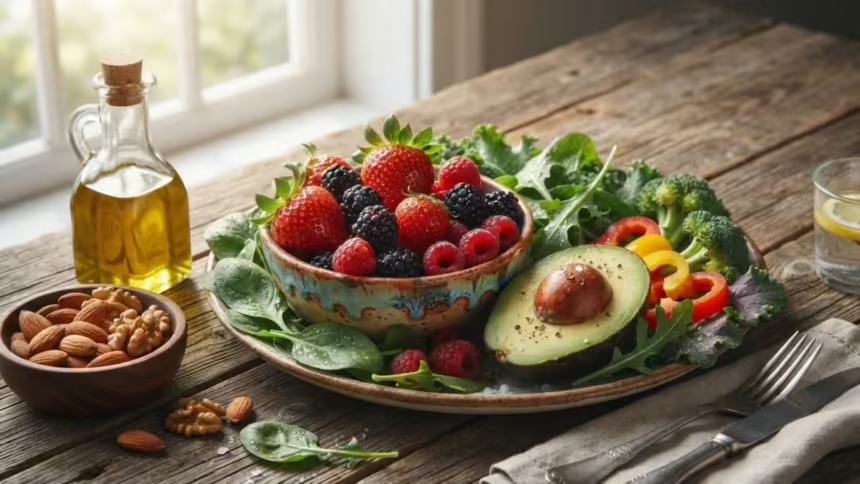
- Whole Foods: Include fresh fruit, vegetables, nuts and whole grains as part of a balanced diet.
The NHS guide to understanding sugar provides further information on different sources of sugar and their role in the diet.
A Sugar Alternative from QNET India
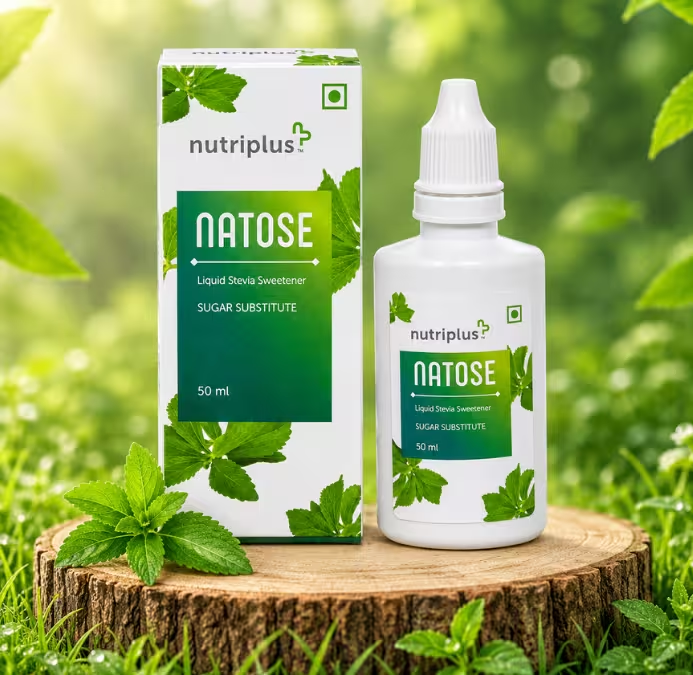
For consumers looking for an alternative to regular sugar in beverages and recipes, Nutriplus Natose Stevia is a liquid sweetener extracted from stevia leaves. It is a vegetarian option with no artificial flavours and does not add calories.
Stevia is considerably sweeter than regular sugar, so it can be used in much smaller quantities. Nutriplus Natose Stevia can be used in tea, coffee, and selected recipes as an alternative to regular sugar.
For more ideas on incorporating Nutriplus products into everyday cooking, explore healthy recipes from QNET India.
Making Informed Food Choices
Natural and sugar-free products can be included in a balanced diet, but these labels do not necessarily mean a product is healthy. The ingredients and nutritional information give a better idea of what it contains. Portion sizes also matter. Rather than relying on claims on the packaging, consumers can make better choices by looking at the actual ingredients and nutritional value of the product.